


Aluminum handlebars are one of the most popular choices in recent years. Many cyclists now prefer aluminum handlebars because they are durable and inexpensive. But aluminum handlebars, like other choices, have their own advantages and disadvantages.
Advantages:
Affordability: Aluminum handlebars are generally more affordable than alternatives such as carbon fiber, making them an affordable option for many riders. With today's advanced manufacturing technology, aluminum handlebars are great value for money without compromising quality. This affordable price makes aluminum handlebars a great choice for beginners or riders looking to upgrade on a limited budget.
Durability: Aluminum handlebars are known for their toughness, impact resistance, not easily damaged by collisions or rough handling, and have a longer lifespan than other materials, enhancing the overall durability of the handlebar, making it an ideal choice for rough terrain and mountain biking.
Easy to maintain: Aluminum handlebars do not require much maintenance. They are easy to modify and personalize to the rider's preferences. They are also less prone to damage during installation than carbon fiber handlebars, and are less susceptible to scratches and scuffs than carbon fiber handlebars. Compared to more fragile materials like carbon fiber, aluminum handlebars can be easily shortened, reshaped, or lengthened based on the rider's needs.
Flexibility: Aluminum handlebars offer some flexibility when pushing down on the handlebars, which can provide a more comfortable and forgiving ride, especially on rough terrain. This is especially beneficial for off-road or mountain riding.
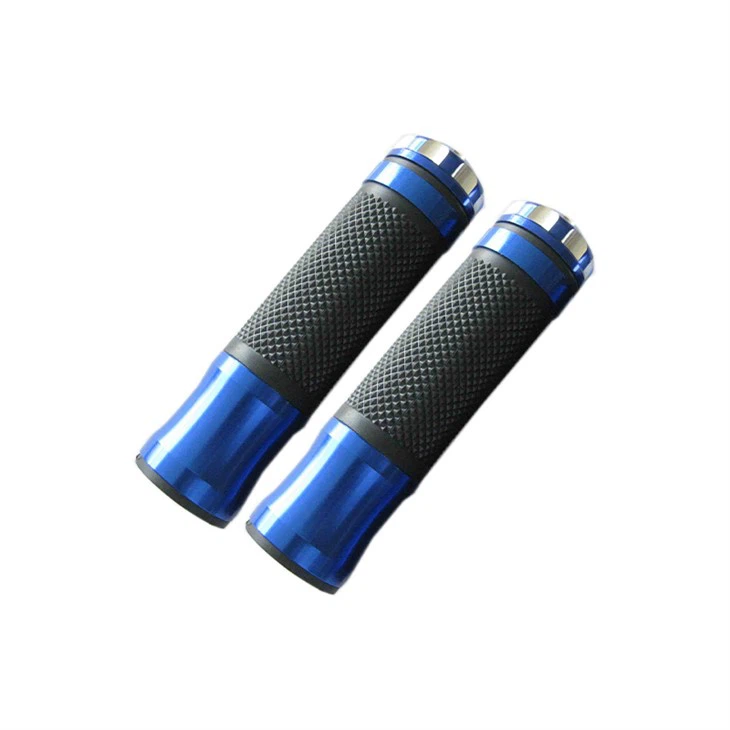
Various Shapes and Sizes: Aluminum handlebars come in a variety of shapes and sizes to suit different riding styles and preferences. This versatility allows riders to choose a handlebar that fits their specific needs and comfort preferences.


Disadvantages:
Weight: Aluminum handlebars are generally heavier than handlebars made from materials like carbon fiber. For riders who prioritize lightweight designs, aluminum handlebars may not be as appealing, but this shouldn't be a major issue for anyone.
Vibration Transfer: Aluminum isn't as effective at dampening road vibrations as materials like carbon. This can result in more vibrations being felt by the rider, especially on long rides or rough terrain.
Aerodynamics: Aluminum handlebars may not be as aerodynamically efficient as fiber handlebars. This may be a consideration for cyclists focused on increasing speed and reducing air resistance.
Corrosion Potential: Aluminum, while highly resistant to corrosion, is not completely corrosion-proof. Long-term exposure to the weather can lead to corrosion, which in severe cases can affect the structural integrity of the handlebar in addition to its appearance.
Aluminum handlebars are a popular choice among cyclists because they offer a good balance between price and durability. The key to choosing is finding the ideal balance of price, weight, comfort, and handling to suit your riding adventures. Aluminum handlebars have earned a loyal following in many cycling circles for their affordability and ability to withstand the elements.


